
FASTPtyco
Overview
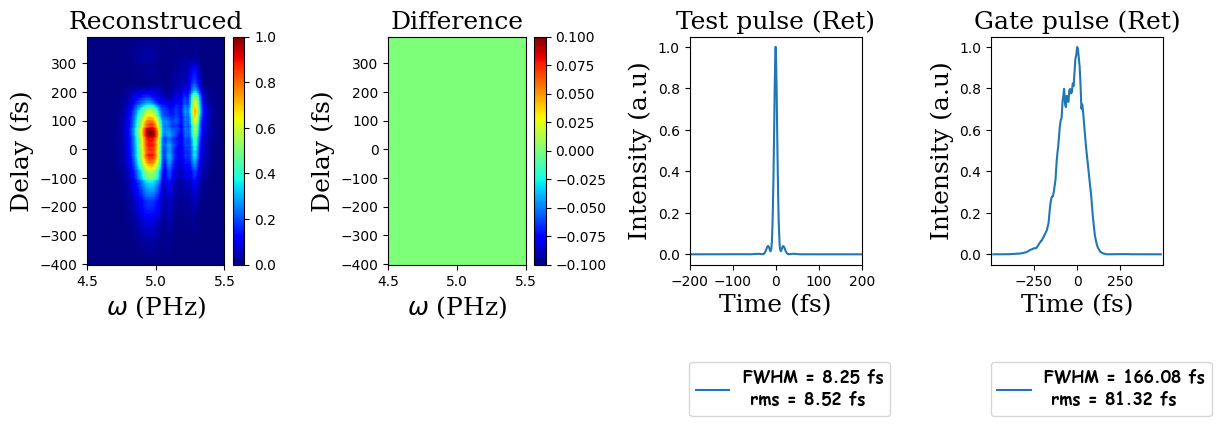
The Ptychography is a microscopy tool to investigate the crystal structure, this idea started in the lately sixties (1969) by Walter Hoppe. And by the growth of the computational power it start to gain more attention in 1982. The main concept addressed by this method is to reconstruct a crystal structure. Emerging the Ptychography into spectroscopy can be done by changing the problem from spatial-reciprocal space representation to time-frequency description.
LearnPlatform COVID-19 Impact on Digital Learning
LearnPlatform COVID-19 Impact on Digital Learning
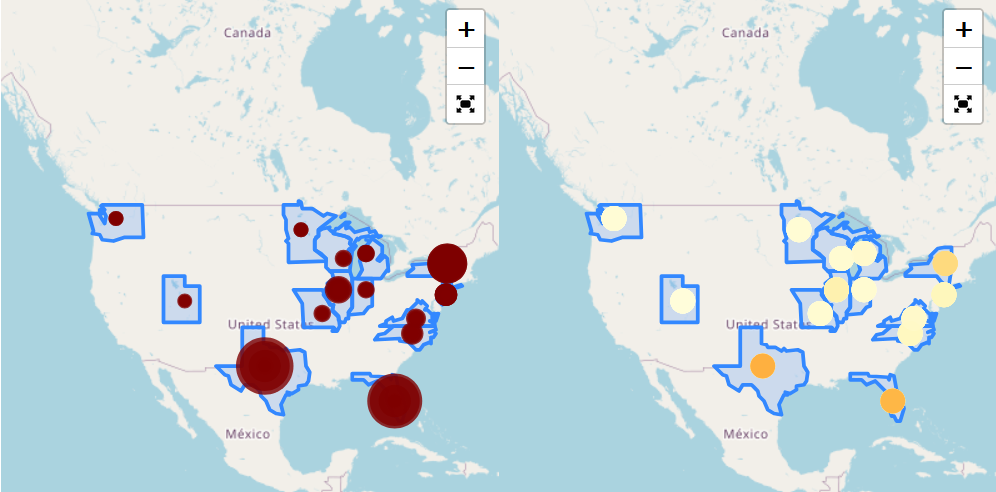
This was a Data Analysis challenge in Kaggle platform, during the the COVID pendamic. Where the challenge was to explore (1) the state of digital learning in 2020 and (2) how the engagement of digital learning relates to factors such as district demographics, broadband access, and state/national level policies and events.
The COVID-19 Pandemic has disrupted learning for more than 56 million students in the United States. In the Spring of 2020, most states and local governments across the U.S. closed educational institutions to stop the spread of the virus. In response, schools and teachers have attempted to reach students remotely through distance learning tools and digital platforms. Until today, concerns of the exacaberting digital divide and long-term learning loss among America’s most vulnerable learners continue to grow.
LTM
linearLinear tetrahedron method for electronic density calculations
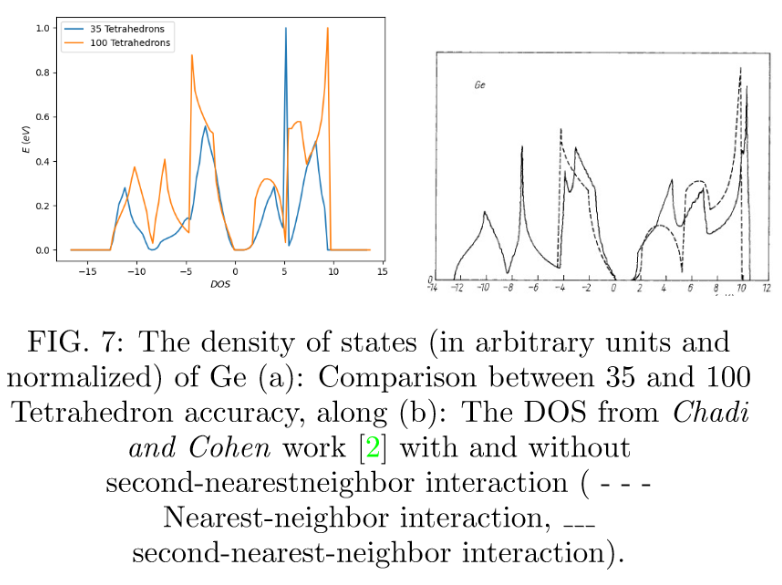
This Projects aim to reproduce the results of Chadi and Cohen about the density of state (DOS). For this The Linear Tetrahedron Method were used. Here we just showed up the code, the provided data (Mesh grid of reciprocal space) are not shown. For this we took some basic example of the Germanium with the same fitted parameters from the previous papers for the Tight Binding approach.
Model Selection for Atomization Energy Prediction
Overview
In this work, I aim to span a various Machine Learning models; especially the regression ones. And the goal is to select the most promissing model that can predict in a smart fashion the Atomization energy of a given molecular structure. The Data can be found in the DataBase called GDB−13, also it is available under the name roboBohr as csv file format in kaggle’s Dataset energy-molecule. The idea was a pivot of discussion in several works [M. Rupp et al
, Lorenz C. Blum and J-L Reymond
and lately Burak Himmetoglu
]. Moreover, the present notebook consist of learning about the suitable models that can be deployed; and to investigate how far I can achieve in term of performance. I will start as usual, by pre-processing the data (cleaning, droping NAN values … etc), then I tackle very interesting section in data transformation fields mainly the so called Singular Value Decomposition (SVD). After that, I begin testing the models and norrowing the bands of these smart objects. The chosen models will undergo a testing performance according to various scores metrics. An adequate way for biasing the flow work is cited. A comparison between some strategies will be highlighted. After that, I try to tune the Hyperparamaters, and disscusse a features engineering attempt.
- Projects
- Machine Learning
- Atomization Energy
- Energy-Molecule
- Singular Value Decomposition
- Features Engineering
- Hyperparamaters